Applied Letters: A Vintage Typeface with Hand-Drawn Charm
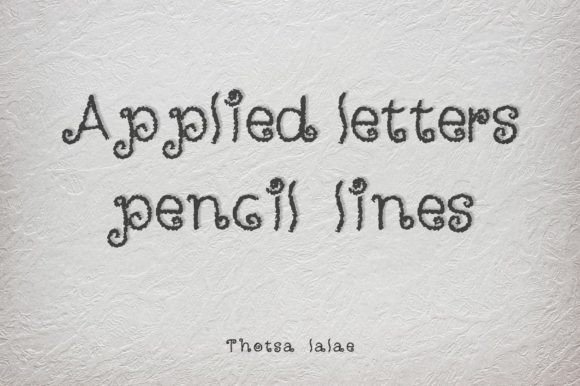
Finding a typeface that genuinely feels crafted rather than generated can be a challenge. Most digital fonts, even high-quality ones, carry a certain polished uniformity. Then you encounter something like Applied Letters. This isn't just another premium font; it's a collection of characters that seem to have been lifted directly from an old treasure map or a forgotten ledger. Its creation using the pencil-drawn-by-hand method is immediately evident, giving it a warmth and authenticity that resonates deeply.
The visual personality of Applied Letters is unmistakable. It carries a distinct vintage vibe, reminiscent of hand-lettered inscriptions from centuries past. Each letterform has subtle imperfections—the slight wobble of a pencil line, the varying weight of a stroke—that contribute to its adorable and unique character. It’s a display font that doesn’t scream for attention but rather invites it, evoking curiosity and a sense of story. This isn't a cold, geometric sans serif font; it’s a serif font with a human touch, blending the structure of classic typography with the irregularity of handcraft.
Where This Creative Font Truly Shines
Understanding a font's ideal context is key to using it effectively. Applied Letters excels in projects where character, story, and a touch of nostalgia are desired. Its strength lies in its ability to set a specific mood, making it a powerful tool in a designer's arsenal for the right job.
- Branding & Identity: For brands in the artisanal, craft, or heritage space—think boutique coffee roasters, handcrafted goods, or independent bookstores—this typeface can become a cornerstone of their brand identity. It communicates authenticity and a hands-on approach in a way a standard corporate font cannot.
- Editorial & Packaging Design: Use it for chapter headings in a novel, the title of a vintage-themed magazine spread, or on packaging design for products that want to convey a rustic, traditional, or adventurous spirit. It’s perfect for labels on jam jars, craft beer bottles, or specialty teas.
- Digital & Web Design: While best used sparingly online, it can make a stunning hero text on a landing page, a memorable logo, or engaging headlines for a blog focused on history, travel, or DIY crafts. Its unique shape helps with visual hierarchy and immediate audience engagement.
- Personal & Commercial Projects: From wedding invitations and event signage to social media graphics for a small business, Applied Letters adds a layer of personality. It’s a creative font that works beautifully for quotes, posters, and any project where you want the typography itself to be part of the design’s story.
Making It Work: Practical Guidance for Designers and Creators
Choosing a handwritten font like this is just the first step. Implementing it successfully requires a bit of strategy to ensure it enhances rather than hinders your message.
Evaluating Project Fit and Readability
First, assess the project's goals. Is the primary aim to convey information quickly and clearly, like in a technical manual? If so, Applied Letters is likely not your workhorse body text. Its charm is in its detail, which can reduce legibility at small sizes or in long paragraphs. Instead, think of it as a headline or accent font. Pair it with a clean, highly readable sans serif font or a simple serif font for body copy. This creates a balanced font pairing that offers both personality and clarity.
Testing and Exploration
Always test the font in context. Type out the actual words you’ll be using. Does the combination of letters in your specific headline create any awkward shapes or spacing? Many premium fonts, including Applied Letters, often come with alternate characters, ligatures, or stylistic sets. Exploring these options can add variety and solve any minor spacing issues, giving you more control over the final look.
Licensing and Consistency
Before finalizing your choice, review the font’s licensing. Ensure it covers your intended use, whether for a personal blog, a client’s commercial website, or printed merchandise. Using a font with the correct license is a non-negotiable part of professional practice. Once deployed, use Applied Letters consistently across all brand touchpoints where it’s applied. This consistency builds recognition and reinforces the brand perception you’ve carefully crafted. Its unique style becomes a recognizable asset in your design assets library, helping to create a cohesive and memorable visual language.
In the end, Applied Letters is more than just a set of glyphs. It’s a tool for storytelling. Its hand-drawn, vintage essence offers a tangible connection to the past, making it a valuable asset for any creative professional or enthusiast looking to inject authenticity, warmth, and a distinctive character into their work. Used thoughtfully, it can transform a simple design into something that feels genuinely crafted and full of personality.