French Clarendon: A Vintage Font with Timeless Appeal
There’s a certain magic in typefaces that carry history within their strokes. They don’t just spell out words; they tell a story, evoke a mood, and connect us to a different time. French Clarendon is one such premium font. It’s not merely a creative font; it’s a portal to the ornate elegance of the 19th century, designed for projects that demand more than just legibility—they demand presence.
Understanding the Visual Character of French Clarendon
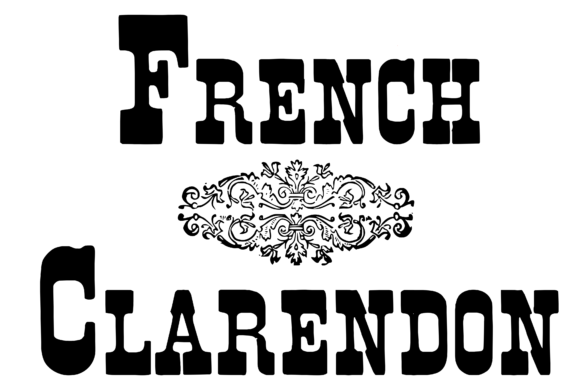
At its heart, French Clarendon is a serif font, but it’s far from ordinary. Its defining feature is the dramatic, wedge-shaped serifs that give it a robust and slightly condensed structure. The letters are often adorned with subtle hairlines and swashes, adding a layer of intricate detail that feels handcrafted. This isn't a font that whispers; it speaks with authority and a distinct vintage charm. Think of it as the typographic equivalent of a beautifully engraved invitation or a vintage theatre poster—it commands attention through its sheer ornamental confidence.
The personality of French Clarendon is one of authority, nostalgia, and craftsmanship. It carries the weight of tradition, making it ideal for brands that want to convey heritage, reliability, and a touch of grandeur. Yet, its decorative elements also give it a playful, almost theatrical quality, which can be harnessed for more creative and expressive projects.
Where This Display Font Truly Shines
The strength of a display font like French Clarendon lies in its ability to dominate a design space with character. It’s rarely the choice for long body text, but as a headline or accent typeface, it’s unparalleled.
- Branding & Logo Design: For businesses in artisanal food, craft beverages, boutique hotels, heritage clothing, or any field where tradition and quality are key selling points, French Clarendon can form the cornerstone of a powerful brand identity. Its distinctiveness ensures high recognition.
- Editorial & Publishing: Magazine mastheads, book covers, and chapter headings come alive with this typeface. It sets a sophisticated tone for editorial design, especially for historical fiction, lifestyle publications, or specialty cookbooks.
- Packaging Design: Imagine this font on a bottle of small-batch gin, a jar of artisanal jam, or a box of luxury chocolates. It instantly communicates premium quality and old-world craftsmanship, elevating the packaging design to an art form.
- Digital & Social Media: While it needs careful use, French Clarendon can make social media graphics and website headers stand out. It’s perfect for creating impactful quotes, promotional banners for special events, or a unique "About Us" page header that tells your brand's story.
- Personal Projects & Crafts: For crafters and hobbyists, this font is a treasure. It’s ideal for creating stunning wedding invitations, personalized stationery, scrapbook titles, or signage for events that call for a vintage or rustic theme.
The Strategic Impact on Your Design Projects
Choosing a typeface is a strategic decision. French Clarendon influences more than just aesthetics; it shapes how your audience perceives and interacts with your message.
First, consider visual hierarchy. Its bold, detailed nature makes it an excellent tool for establishing a clear focal point. A headline set in French Clarendon immediately draws the eye, guiding the reader to the most important information. This clarity is crucial in both print and web design for effective communication.
Second, it profoundly affects brand perception. The font’s inherent personality—whether you lean into its authoritative side or its playful flourishes—becomes part of your brand’s voice. Consistent use across your design assets builds a cohesive and professional image that fosters trust and engagement.
However, its strength is also its limitation. Overuse can lead to visual clutter and reduce readability, especially in smaller sizes or long paragraphs. This is where the principle of font pairing becomes essential.
Practical Guidance for Using French Clarendon
Integrating a vintage font like this into modern projects requires a thoughtful approach. Here’s how to do it effectively.
Evaluate the Fit: Before you download, ask if the font’s personality aligns with your project’s goals. Is your brand modern and minimalist? If so, French Clarendon might create a jarring contrast. Is it focused on heritage, craft, or storytelling? Then it could be a perfect match.
Master Font Pairing: The key to using a decorative display font is balance. Pair French Clarendon with a clean, neutral sans serif font for body text. A geometric sans serif can create a striking, contemporary contrast, while a humanist sans serif can soften the overall look. Avoid pairing it with other highly ornate fonts like a script font or handwritten font, as they will compete for attention.
Test for Readability: Always test your chosen font at the size and in the context it will be used. Check its legibility on screen and in print. Use it for short, impactful text: headlines, pull quotes, logos, and banners. For body copy, always opt for a simpler, more readable typeface.
Review the Package: A good commercial font often comes with a family of styles—regular, bold, italic, and sometimes condensed or extended versions. Check what’s included. Having a bold version, for instance, gives you more flexibility in creating hierarchy without switching typefaces.
Understand Licensing: If you’re using it for client work, merchandise, or digital products, ensure you have the correct commercial license. Most reputable font foundries offer clear licensing options for different uses, protecting both you and the type designer.
In the end, French Clarendon is more than just a typeface; it’s a design tool with a strong point of view. Used wisely, it can inject a project with character, history, and undeniable style, helping you create work that doesn’t just communicate, but resonates on a deeper level. It’s a reminder that in the world of modern typography, sometimes the most forward-thinking choice is to embrace a beautifully crafted piece of the past.