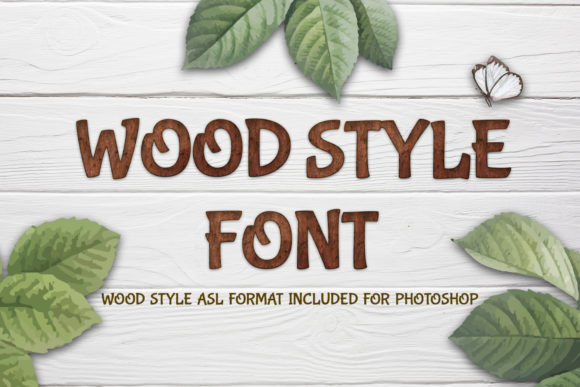
Wood Style: A Display Font with Natural Charm
There’s a certain warmth and authenticity that comes from natural materials. In design, capturing that feeling can be the difference between a project that feels generic and one that truly connects. This is where the Wood Style font steps in. It’s not just another typeface; it’s a visual element built on the theme of wood, offering a distinct personality for your creative work. As a display font, its job is to make a statement, and it does so with a rugged, organic grace that synthetic, clean lines simply can't replicate.
Imagine the grain of weathered timber, the slight imperfections in a hand-carved sign, or the bold, sturdy letters burned into a campsite marker. Wood Style translates these tactile qualities into digital form. The characters often feature subtle textures, uneven edges, or a weight that suggests solidity and connection to the earth. It’s a creative font that feels less designed and more discovered, giving your headlines, logos, and branding materials an immediate sense of character and story.
Where Wood Style Truly Shines
The real-world applications for a typeface like Wood Style are surprisingly broad, especially when you move beyond the obvious. Its strength lies in projects where you want to evoke a specific mood or connect with an audience on a more human, less corporate level. Think about the last time a logo or a book cover made you feel something—a sense of adventure, comfort, or nostalgia. That’s the power of a well-chosen display font.
- Branding and Identity: For small businesses, especially those in outdoor gear, artisanal crafts, organic products, or local cafes, Wood Style can become the cornerstone of a memorable brand identity. It works beautifully for logos, wordmarks, and packaging design. A coffee roaster using this font on their bags immediately communicates craft and tradition. A hiking blog using it for their header font feels more authentic and inviting.
- Editorial and Publishing: In editorial design, contrast is key. Pairing Wood Style with a clean, readable serif font or sans serif font for body text creates a dynamic and professional hierarchy. Use it for chapter titles in a nature photography book, feature headlines in an environmental magazine, or pull quotes that need to stand out. It grabs attention without overwhelming the page.
- Digital and Social Media: In the fast-scrolling world of social media, stopping power is everything. Wood Style is perfect for bold YouTube thumbnails, Instagram story titles, and promotional graphics for events like farmers' markets or outdoor festivals. Its unique texture ensures your graphics don't get lost in a sea of generic, modern typography. For web design, it’s ideal for hero section headlines or call-to-action buttons where personality is more important than strict legibility at small sizes.
- Packaging and Print: The font’s inherent texture makes it a standout choice for physical products. Consider it for labels on craft beer, artisanal jam jars, or handmade soap. On printed materials like event posters, wedding invitations for a rustic theme, or business cards for a carpenter, it adds a tactile quality that resonates with the final product.
Making Wood Style Work for Your Project
Choosing a premium font is an investment, so it’s crucial to evaluate fit and use it effectively. Wood Style is a powerful tool, but like any tool, its value depends on how and where you use it.
Evaluating the Fit and Testing Pairings
Before committing, look at the font’s personality. Does its weight, texture, and overall vibe align with your project’s core message? A heavy, rough-hewn version of Wood Style might be perfect for a rugged outdoor brand but too aggressive for a serene wellness blog. Always test it in context. Create a mockup of your logo or headline. How does it look next to your chosen imagery and color palette?
Font pairing is where the real magic happens. Wood Style demands a partner that provides balance and readability. A highly readable sans serif font like Open Sans or Lato is a safe, clean choice for body text. For a more classic, editorial feel, pairing it with a sturdy serif font like Merriweather or Lora can create a beautiful contrast between the organic headline and the refined body copy. The key is to let Wood Style be the star of the show—use it sparingly for maximum impact.
Understanding Styles and Licensing
A quality display font often comes with more than just the basic alphabet. Check what’s included in the package. Does Wood Style offer alternates, ligatures, or stylistic sets? These features allow you to customize the look further, perhaps connecting certain letter pairs for a more hand-lettered effect. Also, review the licensing carefully. If you’re using it for a client project or a commercial product, you need a commercial license. Ensure the license covers your intended use, whether it’s for digital ads, printed merchandise, or a software application.
Readability and Application
As a creative font designed for display, readability at small sizes or in long paragraphs is not its primary function. This is a critical point. Use Wood Style for headlines, logos, and short bursts of text where its character can be appreciated. Avoid setting entire paragraphs or crucial instructions in it. The goal is to use its personality to attract the eye, then guide the reader to more legible type for the details.
Ultimately, incorporating a typeface like Wood Style into your design assets is about adding a layer of authentic storytelling. It’s a bridge between the digital and the natural, the designed and the organic. When used thoughtfully, it doesn’t just spell out words—it communicates a feeling, builds a more recognizable brand identity, and engages your audience on a level that transcends mere text. It’s a reminder that in a world of sleek, uniform fonts, there’s still a place for character, texture, and a touch of the wild.