Why Next to You is the Charming Display Font Your Designs Need
There are moments in a design project where everything feels almost right, but lacks that final spark of personality. You've nailed the color palette, the layout is balanced, but the text feels cold or generic. This is where a typeface with a distinct character can transform your work. Enter Next to You, a sweet, thin-lettered display font that brings a unique blend of whimsy and clarity to the table. It’s not just another decorative face; it’s a tool for adding warmth and a touch of humor to visual communication.
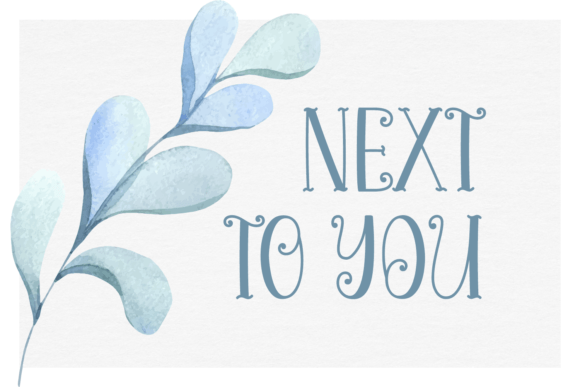
Visually, Next to You is defined by its slender, graceful strokes and a slightly irregular, hand-lettered quality. It avoids the stiffness of many modern typefaces, instead offering a friendly and approachable personality. The letters seem to dance with a light, airy rhythm, making it feel both personal and polished. This isn't a font that shouts; it converses. Its strength lies in its ability to be noticed without overwhelming the composition, making it a versatile player in your design toolkit. Think of it as the charming friend in your font library who can lighten the mood and make any message feel more human.
Finding the Perfect Home for This Typeface
The true value of a creative font like Next to You is realized when you match it to the right context. Its delicate nature and playful spirit make it a standout choice for specific applications where personality and readability at a glance are paramount. It thrives in environments where you want to evoke a sense of care, creativity, and individual touch.
For personal branding, especially for freelancers, artists, consultants, and makers, this font can become a cornerstone of your brand identity. Imagine it on your website header, your business card, or your email signature. It communicates approachability and creativity, helping you stand out in a crowded market. Similarly, in the world of wedding invitations and stationery, its sweet and elegant style is a natural fit. It can set the tone for an event that feels both intimate and thoughtfully designed.
Beyond personal use, its applications in commercial and creative projects are extensive. Consider its role in:
- Editorial Design & Publishing: Perfect for chapter titles, pull quotes, or magazine headlines that need a touch of whimsy. It pairs beautifully with a clean serif font or sans serif font for body text.
- Packaging Design: Ideal for artisan food products, boutique cosmetics, or handmade goods where a crafted, authentic feel is essential.
- Marketing & Social Media: Use it for Instagram graphics, quote cards, or Pinterest pins to stop the scroll with its friendly, legible charm. It’s excellent for creating a cohesive look across your social media graphics.
- Web Design: While not for paragraphs, it’s fantastic for impactful hero text, call-to-action buttons, or navigation labels on creative portfolio sites.
- Physical Products: Its clarity and style translate well to t-shirts, posters, wall art, and framed quotes, where the message needs to be both seen and felt.
The Strategic Impact on Your Design Projects
Choosing a typeface goes beyond aesthetics; it’s a strategic decision that influences how your audience perceives and interacts with your message. Implementing Next to You can have several tangible effects on your project's success.
First, it directly impacts visual hierarchy. As a display font, it’s designed to draw the eye. Using it for headlines or key phrases creates an immediate focal point, guiding the viewer’s attention through your layout. This is crucial in everything from a one-page flyer to a complex web design. Its unique style also aids in brand recognition. A consistent use of a distinctive typeface like this helps build a visual identity that audiences can recall, fostering familiarity and trust over time.
Furthermore, the right font enhances audience engagement. A friendly, approachable style can make content feel more accessible and less intimidating, encouraging readers to linger. For a small business owner or a blogger, this can translate into higher time-on-page and better conversion rates. It adds a layer of professionalism that is nuanced—not the cold professionalism of a corporate bank, but the thoughtful professionalism of a curator or a skilled craftsperson.
A Practical Guide to Using Next to You
Ready to incorporate this premium font into your work? Here’s some practical advice to ensure it works for you, not against you.
Evaluate the Project Fit: Before you even download, consider your project’s voice. Is it serious, corporate, and formal? Next to You might not be the right primary choice. Is it creative, personal, celebratory, or artisanal? Then it’s worth exploring. Always test it in context.
Master the Font Pairing: This is where strategy meets art. Next to You excels when paired with a simpler, more neutral companion. Try it with a geometric sans serif font like Montserrat or Lato for a modern, clean look. For a more traditional or elegant feel, pair it with a classic serif font like Garamond or Minion. The contrast allows its personality to shine without creating visual chaos.
Test for Readability: As a thin-lettered typeface, its legibility can be affected by size and background. Always test it at the intended size and on the intended medium. It works best at larger scales. Avoid using it for small body text, as its delicate strokes may become difficult to read. Ensure sufficient contrast with the background color.
Review What’s Included: A good commercial font often comes with more than just basic letters. Check the character map for Next to You. Does it include alternates, ligatures, or multilingual support? These features can provide greater flexibility and uniqueness in your designs, allowing you to customize headlines further.
Understand the License: If you’re using it for client work, merchandise, or any commercial product, you must have the correct commercial license. Respect the typographer’s work. Read the license agreement to understand where and how you can use the font, whether it’s for a single project, multiple projects, or for embedding in an app or software.
In the end, a font like Next to You is more than just a collection of letters. It’s a design asset that carries mood and meaning. By understanding its strengths and applying it thoughtfully, you can elevate your projects from simply informative to truly memorable. It’s a fantastic addition to any designer’s library, offering that perfect blend of sweetness, style, and practical utility that can, indeed, improve almost any design.