Jam Session: The Friendly Font for Modern Creators
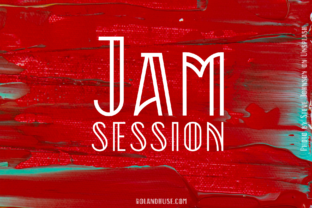
There’s a particular kind of font that doesn’t just sit on the page—it practically bounces. Jam Session is that typeface. It’s a cute and casual display font with an incredibly friendly feel, the sort of design that immediately softens a layout and invites the viewer in. In a world saturated with rigid sans serifs and overly serious serifs, Jam Session offers a welcome breath of playful air. It’s not just about being whimsical; it’s about communicating warmth, approachability, and a human touch in an increasingly digital landscape.
Visually, Jam Session strikes a delicate balance. It’s a display font at heart, meaning it’s designed for impact at larger sizes—think headlines, titles, and logo lockups. But its character is rooted in a handwritten font sensibility. The letterforms have a soft, rounded quality, with subtle irregularities that mimic the natural rhythm of hand lettering. It avoids the messy, overly casual look of some script fonts, instead presenting a clean, legible, and consistently charming personality. This makes it a creative font that feels both personal and polished, a rare combination that designers and entrepreneurs often search for.
Where Jam Session Truly Shines
The real value of a font like Jam Session is in its application. Its friendly demeanor makes it a powerhouse for projects where connection is key. For brand identity, especially for small businesses, boutiques, cafes, or creative studios, it sets an immediate tone of approachability and creativity. Imagine it on a bakery’s logo, a children’s boutique tag, or the header of a wellness blog—it instantly communicates a brand that’s welcoming and full of personality.
In the realm of social media graphics, where grabbing attention in a split second is crucial, Jam Session is a standout. Its unique style helps quotes, announcements, and promotional posts pop in a crowded feed. It’s particularly effective for Instagram stories, Pinterest pins, and Facebook ads where a personal, authentic feel can drive higher engagement. For content creators and bloggers, using Jam Session for post titles or featured images can establish a recognizable visual style that audiences associate with your content’s friendly and helpful tone.
Beyond digital, its applications in packaging design and editorial design are compelling. On product packaging, it can make an item feel handmade and special, perfect for artisan goods, cosmetics, or specialty foods. In magazines or book covers, especially in genres like lifestyle, children’s, or indie fiction, it adds a touch of whimsy and charm without sacrificing legibility. It’s a premium font that brings a high-end feel to DIY projects, wedding invitations, and stationery, turning a personal craft into something that looks professionally designed.
Making It Work: Practical Guidance for Using Jam Session
Choosing the right font is only half the battle; using it effectively is what separates good design from great. Here’s how to integrate Jam Session into your work with confidence.
Evaluating Project Fit
Ask yourself: does the project need to feel human, approachable, and creative? Jam Session is your ally for brands and projects that want to avoid a cold, corporate aesthetic. It’s less suited for a law firm’s annual report or a fintech app’s main interface, but it’s perfect for a yoga studio’s website, a craft brewery’s menu, or a podcast’s visual branding. Always consider your audience. For adults aged 20–50 who value authenticity and creativity, this font resonates deeply.
The Art of Font Pairing
A display font like Jam Session rarely works alone. Its power is amplified when paired with a more neutral, highly readable typeface for body text. The classic strategy is to pair it with a clean sans serif font or a straightforward serif font. This creates a clear visual hierarchy: Jam Session commands attention for headlines and key phrases, while the supporting font handles paragraphs and detailed information with ease. For example, pairing Jam Session with a sans serif like Lato or Open Sans creates a modern, friendly, and highly readable combination. For a more classic or editorial feel, pairing it with a serif like Merriweather or Lora can add sophistication while maintaining warmth.
Testing for Readability and Hierarchy
Because it’s a display font, Jam Session should be used sparingly in body copy. Its charming details can become distracting or hard to read in long blocks of small text. Use it for headlines, sub-headlines, pull quotes, or call-to-action buttons. Test it at the size it will be viewed. A headline on a website banner has different requirements than a title on a printed brochure. Ensure there is enough contrast between the text and background, and consider letter-spacing if the font feels too tight at a given size.
Understanding Your License and Assets
When you acquire Jam Session, you’re not just getting a single file. A quality commercial font will come with a clear license specifying its use—whether for personal projects, commercial client work, or digital products. Review this carefully. Typically, you’ll receive multiple file formats (like OTF, TTF, WOFF) for compatibility across different software and platforms. Some versions may include stylistic alternates or ligatures—extra characters that offer subtle variations in the letterforms, allowing you to customize the look further and add an extra layer of uniqueness to your logo design or layout.
Jam Session is more than just a typeface; it’s a design asset that injects personality. It’s a tool for anyone looking to create a brand identity that feels genuine, or for crafters and hobbyists wanting to elevate their projects with a professional yet playful touch. In the vast library of modern typography, it carves out a niche for itself by being unapologetically friendly and versatile. Whether you’re designing a logo, crafting social media posts, or laying out a magazine, it offers a way to communicate not just with words, but with feeling.