The Enduring Allure of the Lost Love Serif Font
There's a certain kind of project that demands more than just a typeface; it requires a voice. It’s that wedding invitation that needs to whisper romance, the boutique branding that must exude quiet luxury, or the magazine headline that should feel both timeless and intensely personal. For these moments, designers often find themselves searching for a premium font with character, not just clarity. This is where Lost Love enters the conversation. It’s not merely a set of characters; it’s a stylistic statement, a serif font steeped in elegance and designed to carry the weight of emotion and sophistication on its slender, graceful shoulders.
Decoding the Personality of a Typeface
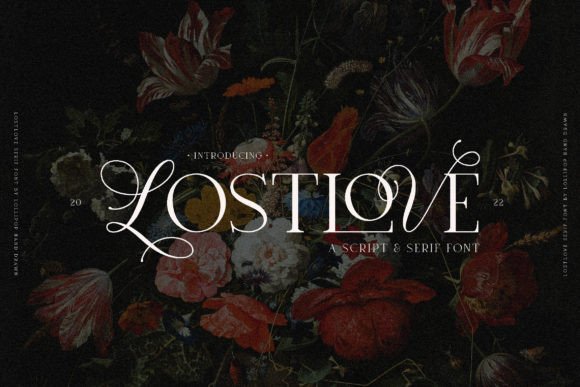
At its core, Lost Love is a study in refined contrast. Its visual characteristics are defined by high-contrast strokes—thick and thin lines that play off each other with a delicate balance. The serifs themselves are often delicate and slightly flared, adding a touch of classical structure without feeling rigid or outdated. The overall letterforms have a tall, slender x-height, which contributes to its airy, elegant feel. You’ll notice subtle details in the curves of the lowercase 'e' or the tail of the 'y' that give it a distinctive, almost handwritten personality, bridging the gap between a traditional serif font and a more expressive script font. This isn't a font that shouts; it whispers with confidence. Its appeal lies in this duality—it feels both modern in its clean execution and nostalgic in its romantic sensibility.
So, where does this particular voice resonate most powerfully? The applications for Lost Love are as varied as the creative projects that seek a touch of elegance. In brand identity work, it’s a natural fit for industries where perception is everything: high-end cosmetics, artisanal jewelry, boutique hotels, bespoke fashion labels, and premium lifestyle brands. A logo set in Lost Love immediately communicates a promise of quality, craftsmanship, and a personal touch. It tells your audience you care about the details.
Moving beyond the logo, its strength extends across editorial design. Think of the cover of a romance novel, the chapter headings in a coffee table book about interior design, or the titles in a luxury lifestyle magazine. Lost Love commands attention without overwhelming the page, creating a clear visual hierarchy that guides the reader's eye. For packaging design, particularly for products like artisanal chocolates, perfumes, or skincare serums, this font adds a layer of perceived value. It transforms a simple label into a keepsake, making the unboxing experience feel special.
Practical Guidance for Your Creative Toolkit
Choosing a font like Lost Love is a strategic decision. The first step is always evaluating project fit. Ask yourself: does the project’s core message align with the font’s personality? If you’re designing a tech startup’s website or a children’s birthday party invitation, Lost Love might feel out of place. Its elegance could come across as pretentious or overly formal. However, if the project is a wedding stationery suite, a floral studio’s branding, or a high-end bakery’s menu, it’s likely a perfect match. Always consider your target audience—adults aged 20-50 who appreciate design, quality, and aesthetics will respond positively to its refined character.
Once you’ve decided it’s a good fit, the real fun begins: font pairing. A display font like Lost Love shines when it’s partnered with a more neutral companion. Its ornate nature means it rarely works well with another expressive typeface. Instead, pair it with a clean, geometric sans serif font for body text. Think of Lost Love for headings and a font like Montserrat, Lato, or Open Sans for paragraphs. This contrast creates a dynamic and readable layout, allowing Lost Love to headline while the sans serif handles the heavy lifting of longer copy. For a more traditional feel, it can also be paired with a simpler, less decorative serif font, but be cautious to ensure enough distinction in weight and style to avoid visual competition.
Before you commit, dive into the font’s full package. A quality premium font like Lost Love often includes more than just basic uppercase and lowercase letters. Look for stylistic alternates—different versions of key letters like 'a', 'g', or 'R' that can add unique flair to your design. It may also include ligatures, which are special combined characters for pairs like 'fi' or 'st' that improve flow and aesthetics. Check for comprehensive language support if you’re working on international projects. Finally, and crucially for any commercial work, understand the licensing. Most commercial font licenses are project-based, so ensure the one you purchase covers your intended use, whether it’s for a single client logo, a series of social media graphics, or a mass-produced product line.
Readability is the final, non-negotiable checkpoint. While Lost Love is stunning at large sizes for logos and headlines, its high-contrast, delicate strokes can become challenging to read in small body copy, especially on screen. Always test it in context. Set a paragraph at your intended size and on your chosen background. If the text feels blurry or causes eye strain, reserve Lost Love for display purposes only and use your chosen companion font for the body. This thoughtful application ensures your design is not only beautiful but also functional and accessible, maintaining that crucial brand consistency and professionalism across all touchpoints, from a towering billboard to a subtle website footer.