Why Pencil Font Is a Go-To for Playful, Artistic Design
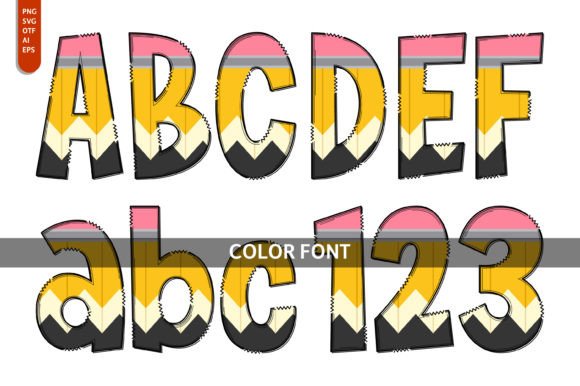
There’s a certain magic in a hand-drawn line. It feels immediate, personal, and full of character. That’s the energy the Pencil font brings to your projects. More than just a handwritten font, it’s a creative font designed to inject a dose of authentic, artistic charm into your work. Its visual personality is unmistakably playful and approachable, with a slightly textured, sketched quality that mimics the real feel of graphite on paper. This isn’t a sterile, perfect script; it’s a typeface that celebrates the beautiful imperfections of hand lettering, making it ideal for designs that need to feel human, warm, and inviting.
Where Pencil Truly Shines: Real-World Applications
Understanding a font’s personality is one thing, but knowing where to apply it is where the real design strategy comes in. Pencil isn’t a workhorse body text serif font or a clean sans serif font. It’s a specialist, a display font that excels in headline roles and specific creative contexts where its unique style can make a statement without compromising function.
In Branding and Marketing: For businesses targeting a younger demographic or those in creative industries, Pencil can be a secret weapon. It works beautifully for a children’s clothing brand logo, a bakery’s packaging, or the header graphics on a lifestyle blog. On social media graphics, it stops the scroll. Imagine an Instagram quote card or a Pinterest pin for a DIY project using Pencil—the font itself becomes part of the visual hook, conveying creativity and fun at a glance. It helps build a brand identity that feels accessible and full of personality.
In Publishing and Editorial Design: This is where Pencil feels most at home. Think of chapter titles in a whimsical children’s book, pull quotes in a magazine article about art or crafts, or the title treatment on a cookbook cover. Its handcrafted feel adds a layer of storytelling and warmth that more formal typefaces can’t replicate. For editorial design, it’s perfect for creating visual interest and breaking up dense blocks of text, guiding the reader’s eye to key elements.
For Personal Projects and Crafting: If you’re creating custom greeting cards, party invitations, or family photo albums, Pencil is a fantastic choice. Its playful nature adds a heartfelt, personal touch that feels genuinely made. For crafters using compatible software like Silhouette Studio, it can elevate a simple project into something special. It’s also a standout for packaging design on artisanal goods, like homemade jams or candles, where the handmade aesthetic is a core part of the product’s appeal.
Smart Strategies for Using Pencil Effectively
Choosing a premium font like Pencil is just the first step. Using it effectively requires a bit of strategy to ensure it enhances your design rather than hinders it.
Evaluate the Project Fit: Always start by asking: Does the tone of this project call for a playful, artistic feel? Pencil is a powerful tool, but it’s not for every job. A corporate annual report? Probably not. A tech startup’s app interface? Likely too casual. But a community event poster, a pet shop’s logo, or a recipe card? Perfect. Its strength lies in its specific personality, so match the font to the message.
Master Font Pairing: This is crucial. Because Pencil is so distinctive, it demands a calm, stable partner. A classic font pairing strategy is to combine a expressive display font like Pencil with a neutral, highly readable body font. Pair it with a clean sans serif font like Montserrat or Lato for headlines and body text in a brochure. Or, use it alongside a simple serif font like Georgia for a more classic, yet still friendly, editorial layout. Let Pencil do the talking in the headlines, and let its partner handle the supporting information clearly.
Prioritize Readability: As with any script font or handwritten font, readability at small sizes is a consideration. Use Pencil for larger text applications—titles, headers, logos, and short phrases. Avoid setting entire paragraphs in it. Test your designs at the intended viewing size. If it’s for a website banner, check it on a mobile screen. If it’s for a printed card, print a test. Ensure the text is instantly legible to your audience.
Understand the Technical Side: Pencil is an OpenType-SVG color font. This means it includes rich, textured details that standard fonts don’t have. It’s a fantastic design asset, but compatibility is key. It works seamlessly in PhotoShop, Illustrator, and Inkscape, making it a favorite for digital designers. However, it’s not compatible with Cricut machines. For crafters, always verify software compatibility before purchasing. Reviewing the included styles and character sets in the font preview is also a wise step to ensure it has everything you need for your project.
Ultimately, Pencil is more than just a font; it’s a tool for storytelling. It’s a commercial font that can become a cornerstone of a playful brand identity or the secret ingredient that makes a personal project feel truly special. By understanding its personality, applying it in the right contexts, and pairing it wisely, you can leverage its unique charm to create designs that are not only beautiful but also deeply engaging and memorable.