Andalusia: The Elegant Handwritten Font for Modern Brands
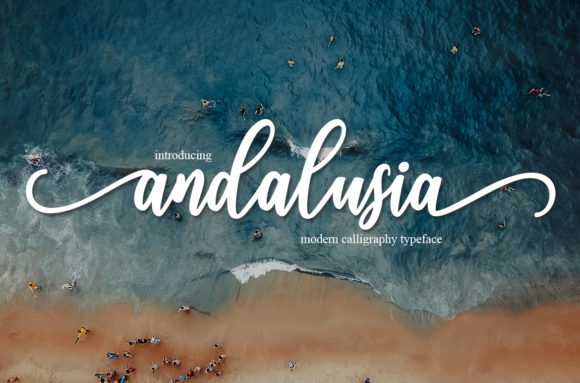
When you're building a visual identity, the typeface you choose speaks before your words do. Andalusia is a handwritten font that strikes a rare balance—it feels personal and crafted without sacrificing clarity or versatility. Its well-rounded letterforms carry a gentle sophistication that works across far more projects than you might expect from a script-style font.
What makes Andalusia stand out in a crowded field of handwritten fonts is its deliberate construction. Each letter has been shaped with intention, resulting in consistent spacing and a natural flow that avoids the chaotic look many script fonts fall into. The strokes are delicate but confident, giving text a sense of warmth and authenticity that resonates with audiences who appreciate human touch in design.
Where Andalusia Truly Shines
Andalusia isn't trying to be everything to everyone, and that's precisely its strength. It excels in specific contexts where elegance and approachability need to coexist. Think of it as the font equivalent of a well-tailored linen shirt—refined enough for professional settings but relaxed enough to feel genuine.
In logo design, Andalusia works beautifully for brands that want to convey artisanal quality, personal service, or creative expertise. Wedding photographers, boutique bakeries, independent consultants, and lifestyle brands often find that this font captures their personality in a way that generic sans serif options simply cannot. The key is pairing it thoughtfully—a clean sans serif for body text lets Andalusia handle the headline or brand name without overwhelming the overall composition.
For packaging design, the font brings an organic, handcrafted quality that suggests care and attention to detail. Small-batch product makers, specialty food brands, and cosmetic companies frequently choose handwritten fonts like Andalusia to differentiate themselves on crowded shelves. The rounded, legible letterforms ensure that product names and taglines remain readable even at smaller sizes—a practical consideration that separates premium font choices from amateur alternatives.
Editorial design presents another natural fit. Magazine headers, blog post titles, and book chapter openings benefit from the font's ability to draw readers in without feeling gimmicky. When used sparingly and strategically, Andalusia adds visual interest to layouts that might otherwise feel sterile or overly corporate.
Understanding the Font's Personality
Every typeface carries emotional weight, and Andalusia leans toward warmth, creativity, and understated elegance. It doesn't shout for attention the way bold display fonts do. Instead, it invites closer inspection—people tend to linger on text set in Andalusia because the letterforms feel genuinely handcrafted rather than digitally manufactured.
This personality makes it particularly effective for brands targeting audiences who value authenticity. Millennials and Gen Z consumers, in particular, respond well to visual identities that feel human rather than corporate. A creative font like Andalusia signals that a business cares about aesthetics and pays attention to details, which can influence purchasing decisions in subtle but meaningful ways.
That said, the font's personality does impose certain limitations. It wouldn't suit a law firm, a financial institution, or a medical practice where authority and formality take precedence. Knowing when not to use a font is just as important as knowing where it fits. Andalusia belongs in contexts where creativity, warmth, and approachability are assets rather than liabilities.
Practical Applications Across Media
Digital environments offer some of the most compelling use cases for Andalusia. Social media graphics benefit enormously from handwritten typography because it breaks through the visual noise of algorithm-driven feeds. Quotes, announcements, and promotional posts set in Andalusia tend to feel more personal and shareable than the same content rendered in standard system fonts.
Web design applications require more careful consideration. While Andalusia performs well as a display font for headers, hero text, and call-to-action elements, it's not designed for extended reading. Pairing it with a clean sans serif font or a readable serif font for body copy creates a balanced typographic hierarchy that guides visitors through your content naturally.
Print applications remain equally relevant. Business cards, thank-you notes, letterheads, and event invitations all benefit from the personal touch Andalusia provides. For entrepreneurs who network frequently, a distinctive brand identity built around a memorable typeface helps with recognition and recall. People remember how your materials made them feel, and a thoughtfully chosen font contributes to that impression.
Choosing and Pairing Andalusia Effectively
Before committing to any premium font for a project, test it in context. Set your actual brand name, tagline, or headline text in Andalusia rather than relying on placeholder words. Different letter combinations interact differently in script fonts, and you want to ensure your specific text looks balanced and readable.
Font pairing deserves deliberate attention. Andalusia works alongside geometric sans serifs, humanist sans serifs, and even certain transitional serifs. The contrast between the organic handwritten style and a structured companion typeface creates visual tension that keeps layouts dynamic. Avoid pairing it with other decorative or script fonts—competing flourishes create visual confusion rather than harmony.
Review the full character set before purchasing. Quality design assets include alternates, ligatures, and extended language support that give you flexibility across different projects. Check whether the font includes multiple weights or styles, as these variations can extend its usefulness significantly.
Licensing matters for commercial use. If you're using Andalusia in client work, merchandise, or products for sale, verify that your license covers those applications. Many commercial font licenses distinguish between personal and commercial use, and staying compliant protects both you and your clients.
Readability testing across sizes and backgrounds is non-negotiable. Set Andalusia at the smallest size you plan to use and evaluate it on different screens and printed materials. A font that looks gorgeous at 48 pixels might become illegible at 14 pixels, and adjusting your usage accordingly prevents frustrating surprises later.
Building Visual Consistency with Intention
The most effective brand identity systems use typography consistently across every touchpoint. Once you've chosen Andalusia for specific applications—perhaps logos, headers, and accent text—document those decisions. Create simple guidelines that specify which font handles which role, what sizes work best, and which companion typefaces to pair with it.
This consistency builds recognition over time. When customers encounter your materials across different platforms—your website, your Instagram feed, your product packaging, your email newsletter—coherent typography creates a sense of reliability and professionalism that strengthens trust.
Andalusia offers enough versatility to maintain visual interest while contributing to that consistency. Its elegant handwritten character adds personality without compromising the structured foundation that good modern typography demands. Used thoughtfully, it becomes a signature element of your visual language rather than just another decorative choice.
The right font doesn't just look good—it serves your goals. Whether you're launching a new brand, refreshing existing materials, or creating content that connects with your audience, Andalusia provides a refined yet approachable voice that many projects benefit from. Take the time to explore how it fits your specific needs, and you'll discover why designers and brand builders continue to gravitate toward its distinctive charm.