Katherine: The Handwritten Font That Brings Warmth to Modern Design
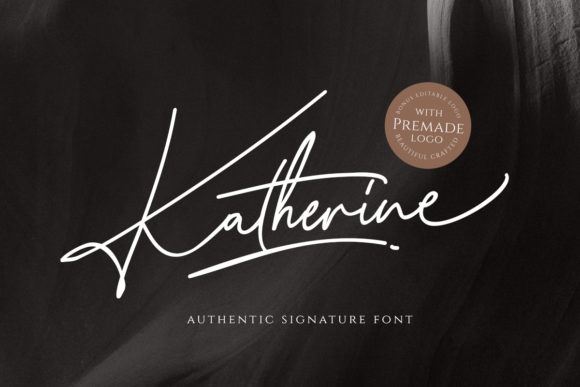
There's a particular quality in a handwritten font that can instantly soften a design, making it feel more personal and approachable. Katherine is a typeface that captures this essence beautifully. It's not just another script font; it's a carefully crafted tool for designers and creators who want to inject a sense of elegance and human touch into their work. The letterforms flow with a natural, delicate rhythm, avoiding the overly stylized or cartoonish look that can make some handwritten fonts feel cheap. Instead, Katherine offers a refined, contemporary take on the handwritten style, making it a versatile premium font for a wide array of projects.
Understanding Katherine's Visual Personality
At its core, Katherine is a script font defined by its fluidity and grace. The characters connect smoothly, mimicking the natural movement of a skilled hand with a brush or fine-tipped pen. The x-height is generally consistent, ensuring legibility, while the ascenders and descenders have a gentle, elegant flare. This balance is crucial. It means Katherine can be used for more than just a quick signature; it holds its own in display font contexts like headers and logos without sacrificing readability at smaller sizes. The overall personality is one of quiet sophistication—it’s romantic without being saccharine, and modern without feeling cold. This makes it an excellent choice for projects that need to communicate authenticity and care.
Where Katherine Truly Shines: Practical Applications
The real test of any creative font is how it performs in real-world scenarios. Katherine excels in projects where the goal is to build an emotional connection. For wedding invitations and event stationery, it sets an immediate tone of elegance and personal celebration. In brand identity work, especially for boutique businesses, lifestyle blogs, or artisanal product labels, Katherine can form the cornerstone of a logo design, conveying a hands-on, quality-focused ethos. It’s equally effective in editorial design for pull quotes or chapter titles in a book, adding a touch of intimacy to the reading experience.
Beyond print, Katherine adapts well to digital landscapes. Think of social media graphics where a handwritten quote can stop the scroll, or web design elements like a stylized homepage banner or a heartfelt "About Us" section. For packaging design, particularly for cosmetics, gourmet foods, or handmade goods, Katherine can elevate the unboxing experience, making the customer feel the product was crafted with them in mind. Its utility spans from commercial applications like business cards and thank-you notes to personal projects like custom planners or blog headers. The key is matching its delicate nature to the project's tone—it works best where warmth and sophistication are desired over bold, aggressive impact.
Integrating Katherine into Your Design Workflow
Choosing a handwritten font like Katherine requires a thoughtful approach to ensure it enhances rather than hinders your design. First, consider its role. Is it the star of the show, as in a logo design, or a supporting player for subheadings and accents? Its fluidity means it pairs exceptionally well with clean, structured sans serif fonts for body text. A pairing like Katherine with a geometric sans serif like Montserrat or a humanist sans serif like Open Sans creates a beautiful contrast between organic flow and modern clarity. Avoid pairing it with overly ornate serif fonts, as the two can compete for attention and reduce overall legibility.
Always test the font in context. View it at the actual size it will be used, both on screen and in print if possible. Check the spacing between letters (kerning) and words, as handwritten fonts often need manual adjustment to look perfect. Review the full character set; a quality commercial font like Katherine will include alternates, ligatures, and stylistic sets that allow you to customize connections and avoid repetitive letter shapes, which is vital for a natural look in longer text passages.
Finally, understand the licensing. For personal projects, a standard desktop license may suffice. However, if you're using it for a client's brand identity, on merchandise for sale, or within a digital product like an app or website template, you'll need to ensure you have the appropriate commercial license. This isn't just about legality; it's about professional practice. Investing in a properly licensed design asset protects your work and your client's investment. By treating Katherine as a strategic component of your toolkit, you can leverage its unique charm to create designs that feel genuinely personal, professional, and memorable.