Bilderberg: The Bold Serif That Commands Attention
When you're building a brand, the typeface you select does more than just spell out your name. It communicates your values, your energy, and your level of professionalism before a customer even reads a single word. That's where a font like Bilderberg enters the conversation. It isn't just another serif; it's a statement piece. This typeface merges a classic, sturdy foundation with a contemporary, almost architectural boldness. For designers, entrepreneurs, and content creators, understanding how to wield a display font of this caliber can be the difference between blending in and standing out.
Visual Character and the Art of the Chunky Serif
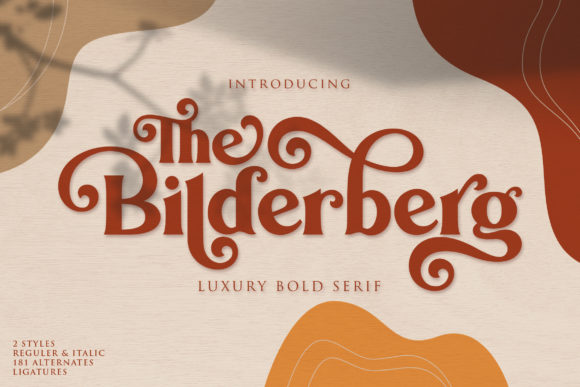
Let's look at the anatomy of the typeface. Bilderberg is defined by its heavy weight and extended letterforms. It doesn't whisper; it projects. The "chunky" nature of the characters means it has a high x-height and thick strokes, giving it immense presence on the page or screen. However, what prevents it from looking clumsy is its sophistication. The serifs are deliberate and sharp, providing a grounding effect that balances the weight. It feels grounded and authoritative, yet modern enough to avoid feeling dated or stuffy.
This specific visual personality makes it a prime candidate for situations where you need immediate impact. Think about the psychology of typography: a light, thin font suggests elegance and fragility, while a heavy, bold font like Bilderberg suggests stability, confidence, and importance. If you are designing a logo for a construction firm, a high-end butcher shop, or a luxury streetwear brand, this font speaks the right language. It conveys a sense of "substance" that thinner, more delicate typefaces simply cannot achieve.
Strategic Applications: Where Bilderberg Shines
Knowing a font looks good is one thing; knowing where to deploy it is another. Because Bilderberg is a premium font designed for impact, it is best used as a display typeface rather than for long blocks of body copy. Here is how you can integrate it into various creative projects to maximize its strengths.
Branding and Logo Design
This is the font's home turf. In logo design, you often need to distill a complex business idea into a single visual mark. Bilderberg’s chunky characters ensure that the brand name remains legible even when scaled down to a favicon or a small social media profile picture. For entrepreneurs crafting a brand identity, this font offers a shortcut to looking established. It suggests that the business is bold and unafraid to take up space. It works exceptionally well for coffee roasters, boutique agencies, and artisanal food brands that want to project a modern, crafted aesthetic.
Packaging Design
In the retail environment, you have roughly three seconds to grab a shopper's attention. Packaging design relies heavily on hierarchy, and Bilderberg excels at creating a focal point. Imagine a matte black box with the product name rendered in a metallic foil using this typeface. The extended width of the letters allows for a wide, stable footprint on the label, which naturally draws the eye. It pairs beautifully with high-contrast backgrounds, making the product name pop off the shelf.
Editorial and Publishing
For publishers, bloggers, and magazine designers, the cover art is everything. Bilderberg is an excellent choice for mastheads and feature article headlines. It provides the necessary gravitas for serious journalism while maintaining a modern edge suitable for lifestyle magazines. When used in editorial design, it creates a strong visual hierarchy that guides the reader's eye from the main headline to the sub-headings. It tells the reader, "This story is important; pay attention."
Digital Presence and Web Design
On the web, load times and readability are king, but personality is queen. While you wouldn't use Bilderberg for your main paragraph text (the "body copy"), it is a game-changer for H1 and H2 headings. In web design, using a creative font for headers breaks up the monotony of standard web-safe fonts. It adds a layer of polish that signals to visitors that the site owner cares about the details. It also translates incredibly well to social media graphics. In a sea of generic posts, a bold serif headline can stop the scroll and increase engagement rates significantly.
The Psychology of Perception and Readability
Choosing a typeface is an exercise in psychology. The fonts you use influence how your audience perceives your brand's competence. Using a premium font like Bilderberg suggests that you invest in your tools and, by extension, your quality. It builds trust. There is a distinct difference in perception between a brand that uses a default system font for its logo and one that uses a carefully selected, masterfully designed serif font. The latter implies a level of intentionality that resonates with discerning customers.
However, it is crucial to address readability. Because Bilderberg features extended characters and heavy strokes, it demands space. If you try to cram this font into a tight text box or use it for a 10-point caption, it will likely become muddy and illegible. It needs room to breathe. This is a common mistake with display fonts; designers get excited about the style and forget about the function. Always ensure that when you use Bilderberg, the tracking (letter spacing) and leading (line height) are adjusted to accommodate its bulk. When used correctly, it doesn't just look good; it functions as a powerful navigational tool for the eye.
Practical Guide to Implementation
If you are considering adding this typeface to your design assets, here is a practical roadmap for getting the most out of it.
- Evaluating the Fit: Before purchasing, look at your brand's voice. Is it playful and whimsical? Bilderberg might be too serious. Is it authoritative, luxurious, or industrial? It’s likely a perfect fit. It bridges the gap between traditional corporate serif fonts and edgy modern display fonts.
- Testing Font Pairings: A bold serif needs a partner. It rarely works well with other bold fonts. Instead, pair it with a light or medium-weight sans serif font. For example, use Bilderberg for your main headings and a clean, geometric sans serif like Montserrat or Lato for your body text. The contrast between the heavy, textured serif and the clean sans serif creates a pleasing visual rhythm.
- Reviewing Styles: Check if the font family includes different weights or styles, such as italics or condensed versions. A versatile family allows you to maintain brand consistency across different mediums without having to introduce a completely new typeface.
- Licensing: Since this is a commercial font, ensure you understand the licensing terms. Most premium fonts require a specific license for web use (e.g., the number of page views) versus desktop use (for printing invoices or making logos). Ensure your license covers your specific needs to avoid legal headaches down the road.
Ultimately, Bilderberg is more than just a collection of vectors; it is a tool for visual storytelling. Whether you are launching a new startup, redesigning a magazine, or creating a line of merchandise, this typeface offers the boldness required to make a mark in a crowded marketplace. It respects the history of typography while pushing confidently into the future. For the creative professional who wants their work to feel substantial and high-quality, it is an investment that pays dividends in recognition and brand equity.