Chocolate Cheese: A Handwritten Font That Feels Like a Warm Hug
Understanding the Personality of Chocolate Cheese
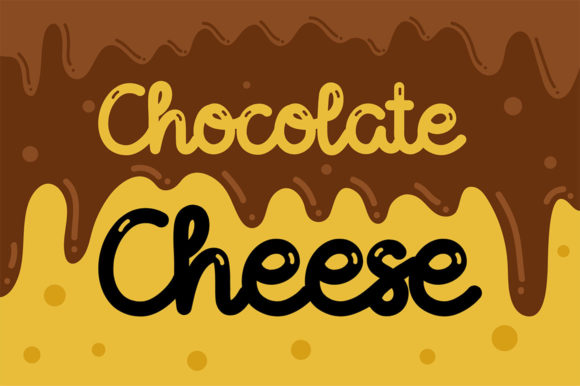
When you first encounter the Chocolate Cheese typeface, it doesn't scream for attention with sharp angles or aggressive geometry. Instead, it whispers with a friendly, approachable tone that feels like a handwritten note from a close friend. This is a premium font that belongs in the category of handwritten fonts and script fonts, but it avoids the common pitfalls of illegibility that plague many decorative styles. It strikes a delicate balance between casual whimsy and functional clarity. The letterforms are soft, featuring gentle curves and a slightly bouncy baseline that mimics natural human handwriting. It doesn't look like a rigid calligraphy script; it looks like someone actually sat down and wrote with a felt-tip pen or a soft brush.
The visual weight of Chocolate Cheese is medium, making it versatile enough for various applications without overwhelming the viewer. The characters have a distinct "cute" quality, but it is grounded enough to be used in adult contexts like brand identity and marketing materials. It is the kind of creative font that injects instant warmth into a project. If you are designing for a brand that wants to appear human, accessible, and trustworthy, this typeface speaks that language fluently. It avoids the corporate coldness of standard sans-serifs while maintaining a level of professionalism that generic free fonts often lack.
Where This Creative Font Truly Shines
Finding the right context for a display font like Chocolate Cheese is key to unlocking its potential. Because of its friendly nature, it is an exceptional choice for projects targeting lifestyle, food, wellness, or children's markets. However, its utility extends far beyond those niches. It is a powerful tool for small business owners and entrepreneurs looking to build a brand identity that feels personal and distinct.
In the realm of packaging design, Chocolate Cheese can be the hero element. Imagine it on a label for artisanal jam, a bakery box, or a hand-poured candle. The font mimics the handmade quality of the product itself, creating an immediate emotional connection with the consumer. It tells the customer that care went into the creation of the item, not just the manufacturing but the branding as well.
For digital design and social media graphics, this handwritten font is a game-changer. Platforms like Instagram and Pinterest thrive on authenticity. Standard corporate fonts can often look out of place in a curated feed of lifestyle photography. Chocolate Cheese integrates seamlessly into these environments. It works beautifully for quote posts, Instagram stories, headers for blog posts, and YouTube thumbnails. It grabs the eye with its organic shape and stands out against the rigid grid layouts typical of web design.
- Wedding Stationery: Use it for save-the-dates or thank you cards to add a romantic, personal touch without the illegibility of traditional copperplate script.
- Logo Design: Ideal for coffee shops, boutiques, tutoring services, or pet groomers where approachability is a key brand value.
- Editorial Design: Excellent for pull quotes or subheadings in magazines and blogs to break up the monotony of body text.
- Digital Products: Perfect for printable planners, stickers, and digital invitations sold on Etsy or Creative Market.
Mastering Font Pairings and Visual Hierarchy
No font is an island, and Chocolate Cheese is no exception. While it is a stunning standalone typeface, its true power in modern typography is revealed when paired correctly. Because it is a script font with high personality, it requires a grounding partner. A common mistake is pairing a handwritten font with another decorative font, which leads to visual chaos.
The best practice for Chocolate Cheese is to pair it with a clean, simple sans serif font or a classic serif font. Think of Chocolate Cheese as the loud, enthusiastic speaker, and the secondary font as the quiet, attentive listener. For example, using a geometric sans-serif like Montserrat or a humanist sans-serif like Open Sans for your body text allows the headings written in Chocolate Cheese to pop without competing for attention.
This pairing strategy creates a clear visual hierarchy. Use Chocolate Cheese for H1 headings, subheadings, or call-to-action buttons where you want to draw the user's eye. It is not recommended for long blocks of body copy. Handwritten fonts, even legible ones like this, can cause eye strain if used for paragraphs of text. Reserve it for impact. By mixing the organic flow of Chocolate Cheese with the structured geometry of a sans-serif, you create a balanced layout that feels both professional and inviting.
Practical Tips for Implementation and Licensing
Before you fully integrate Chocolate Cheese into your next project, there are a few practical considerations to keep in mind. As a commercial font, it is a design asset that usually comes with specific licensing terms. If you are a designer creating work for a client, ensure you understand the license. Does it cover web use? Does it cover physical merchandise? Most premium fonts offer different tiers, so read the fine print to ensure your packaging design or logo design is fully covered.
When testing the font, pay close attention to readability at different sizes. While Chocolate Cheese is designed for clarity, you should always test it against your specific background colors. If you are placing white text over a busy photo, you may need to increase the font size or add a subtle drop shadow to ensure the letters remain legible. Also, check the kerning (the space between letters). Handwritten fonts sometimes require manual adjustment in professional design software like Adobe Illustrator or Photoshop to ensure the spacing feels natural.
Finally, explore the character map. Many premium fonts like Chocolate Cheese include alternates, ligatures, and swashes. These are special characters that allow you to customize the look of the text. For instance, you might swap out the standard "g" for a more swashy version to give your logo a unique flair. Utilizing these extra glyphs helps you avoid the "template" look and ensures your brand identity feels one-of-a-kind. Whether you are a marketer, blogger, or crafter, taking the time to explore these features will elevate your design from amateur to professional.