Discover Kittendust: The Modern Calligraphy Font That Elevates Your Projects
There’s a particular kind of design challenge that calls for something beyond a standard serif or a clean sans serif. You’re working on a wedding invitation, a boutique product label, or the hero section of a lifestyle blog, and you need a typeface that feels personal, elegant, and full of character. This is the space where Kittendust truly shines. It’s not just another script font; it’s a meticulously crafted premium font designed to bridge the gap between timeless calligraphic artistry and contemporary design needs.
Understanding the Personality of Kittendust
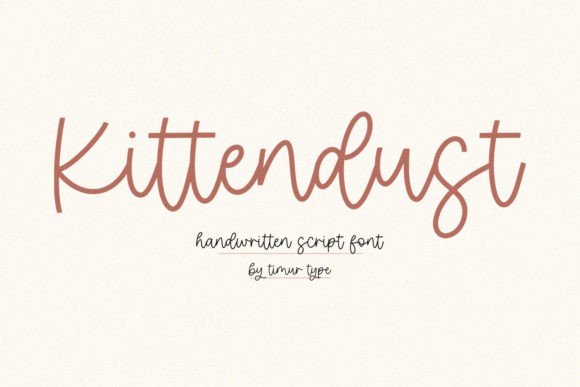
At its core, Kittendust is a handwritten font, but that description only scratches the surface. Its letterforms are rooted in classic calligraphy, with graceful swashes and fluid connections that give it an inherent sophistication. However, it avoids feeling overly ornate or dated. The designer has instilled a modern sensibility into its curves and spacing, resulting in a display font that feels fresh, approachable, and surprisingly versatile. The overall texture is smooth and legible, even at smaller sizes, which is a rare quality in many decorative typefaces. It carries a warm, human touch that can make digital designs feel more tangible and relatable.
The visual style of Kittendust strikes a balance between playful and professional. It has enough flair to catch the eye in a logo design or social media graphic, yet it maintains a level of restraint that prevents it from overwhelming a layout. This makes it an excellent choice for projects where you want to convey creativity, care, and a high-end aesthetic without sacrificing clarity.
Where Kittendust Fits Best in Real-World Projects
The true test of any creative font is its application. Kittendust proves its value across a wide spectrum of projects, thanks to its balanced personality.
Branding and Identity: For small businesses, especially in the boutique, artisanal, or lifestyle sectors, Kittendust can become a cornerstone of a brand identity. It works beautifully for logos, taglines, and brand marks for bakeries, craft studios, wedding planners, and independent consultants. The font’s elegance helps establish a perception of quality and attention to detail, which is crucial for building trust with your audience.
Editorial and Publishing: In editorial design, such as magazine feature headers, book chapter titles, or blog post graphics, Kittendust adds a layer of visual interest and personality. It’s particularly effective for pull quotes, author names, or section dividers in packaging design for books and magazines. It draws the reader in and sets a specific tone for the content that follows.
Digital and Marketing: The font’s clarity makes it a strong contender for web design and social media graphics. Use it for call-to-action buttons, promotional banners, or Instagram story overlays to make your message stand out. Its handwritten nature fosters a sense of authenticity, which can significantly boost audience engagement in a digital landscape often filled with sterile, corporate typefaces.
Personal and Commercial Crafts: From wedding stationery and greeting cards to custom artwork and digital planners, Kittendust is a valuable design asset for crafters and hobbyists. Its commercial license also makes it suitable for products you intend to sell, such as printed quotes on merchandise or designs for print-on-demand platforms.
Making Kittendust Work for You: Practical Guidance
Choosing the right font is about more than just liking how it looks in isolation. Here’s how to effectively integrate Kittendust into your workflow.
Evaluate Project Fit: Before selecting Kittendust, consider your project’s core message. Is it meant to feel intimate, luxurious, whimsical, or sophisticated? This font excels when the goal is to add a human, handcrafted element. For highly technical or data-driven content, a sans serif font might be a better primary choice, with Kittendust reserved for accent headings.
Master the Font Pairing: A font pairing strategy is essential for creating visual hierarchy and ensuring readability. Kittendust pairs exceptionally well with clean, neutral typefaces. Try it with a classic serif font like Garamond for a traditional, elegant feel, or with a modern geometric sans serif font like Montserrat for a contemporary contrast. The key is to let Kittendust be the star for headlines and accents, while its partner handles the body text.
Explore the Included Styles: A high-quality premium font like Kittendust often comes with more than one style. Check if it includes alternates, ligatures, or swashes. These extra characters allow you to customize the look of your text, creating unique letter combinations that avoid repetition and add a truly bespoke feel to your designs.
Prioritize Readability: While Kittendust is designed for legibility, context matters. Avoid using it for long paragraphs of body copy. Its strength lies in short bursts of text—headings, subheadings, quotes, and logos. Always test your designs at the intended viewing size, whether on a mobile screen or a printed poster, to ensure every character is clear.
Understand Commercial Licensing: If you plan to use Kittendust in projects for clients or in products for sale, confirm the font’s licensing terms. A proper commercial license is a professional investment that protects you and supports the type designers who create these essential tools.
Ultimately, Kittendust is more than just a beautiful typeface. It’s a versatile tool for communication that can help shape how your audience perceives your work. By understanding its strengths and applying it thoughtfully, you can use this modern typography asset to bring a distinct level of warmth, professionalism, and charm to everything you create.