Portsmooth: The Handwritten Font Balancing Elegance and Modernity
Understanding Portsmooth's Visual DNA
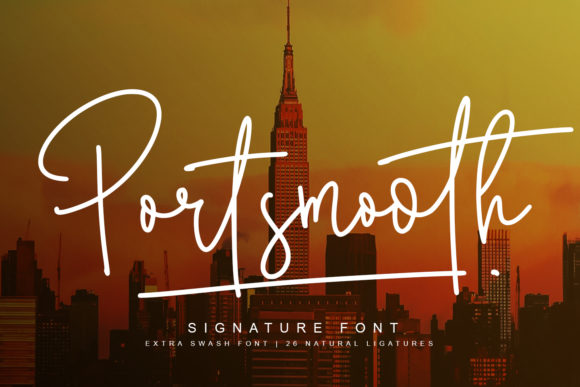
When you first encounter Portsmooth, you'll notice it doesn't scream for attention. Instead, it draws you in with a quiet confidence that many handwritten fonts lack. This premium font walks the line between traditional calligraphy and contemporary design, offering a warmth that feels approachable without sacrificing sophistication. The letterforms carry a natural fluidity—each stroke mimics the organic movement of a skilled hand, yet the overall composition remains remarkably clean and legible. Unlike overly decorative script fonts that become illegible at smaller sizes, Portsmooth maintains its character whether you're setting a headline or crafting a short tagline.
What makes this typeface particularly appealing is its versatility. The designers have carefully balanced the thick and thin strokes, creating visual interest without overwhelming the viewer. You'll find that the lowercase letters connect in subtle ways that feel intentional rather than forced, while the uppercase characters command presence without appearing stiff or overly formal. This thoughtful approach to letter design means Portsmooth works beautifully across both digital screens and printed materials, adapting to different contexts while maintaining its distinctive personality.
Where Portsmooth Truly Shines in Real Projects
As someone who has tested countless creative fonts across various industries, I can tell you that Portsmooth excels in specific applications where personality and readability must coexist. For logo design, this handwritten font offers entrepreneurs and small business owners a way to communicate authenticity and craftsmanship. Think about a boutique bakery, a wedding photographer, or an artisan coffee roaster—these brands benefit enormously from a typeface that suggests human touch and careful attention to detail. Portsmooth delivers that impression without veering into casual or unprofessional territory.
Editorial design presents another natural fit. Bloggers and content creators often struggle to find fonts that feel personal yet polished for their headers and pull quotes. Portsmooth solves this problem elegantly. When paired with a clean sans serif font for body text, it creates a visual hierarchy that guides readers through your content naturally. I've seen it work particularly well for lifestyle blogs, recipe sites, and creative portfolios where the visual tone needs to match the content's personality. The font carries enough weight to stand out as a display font while remaining readable across different screen sizes and resolutions.
Packaging design is where this typeface really demonstrates its commercial appeal. Product labels, box designs, and retail packaging benefit from fonts that communicate quality and care. Portsmooth brings that handwritten elegance to shelf displays, helping products stand out in crowded retail environments. Whether you're designing for cosmetics, gourmet foods, or handmade goods, this font adds a layer of perceived value that generic typefaces simply cannot achieve. The subtle variations in the letterforms prevent the design from feeling mass-produced, which is exactly what many consumers respond to when making purchasing decisions.
Practical Considerations for Working with Portsmooth
Before integrating any font into your design assets library, it's worth evaluating how it performs under real conditions. With Portsmooth, start by testing it at the actual sizes you'll use in your projects. While it maintains readability better than many script fonts, extremely small sizes—below 14pt for print or 18px for web—can cause the finer details to blur. This isn't a flaw; it's simply how handwritten fonts behave. Understanding this limitation helps you make smarter decisions about where and how to apply the typeface across your brand identity materials.
Font pairing deserves careful attention when working with Portsmooth. Because it carries strong calligraphic influences, it pairs best with neutral, structured typefaces that provide visual contrast without competing for attention. A geometric sans serif font works exceptionally well, creating a balance between the organic warmth of Portsmooth and the clean precision of modern typography. Avoid pairing it with other decorative or serif fonts that carry similar personality traits—this typically results in visual clutter rather than cohesion. When in doubt, keep your secondary font simple and let Portsmooth carry the expressive weight of your design.
Licensing is another practical matter worth addressing early. Portsmooth is available as a commercial font, which means you'll want to review the specific license terms before using it in client work, product packaging, or commercial publications. Most premium fonts offer different licensing tiers depending on usage scope, so take time to understand what your license covers. This due diligence protects both you and your clients, ensuring that your beautiful designs don't encounter legal complications down the road. Many font marketplaces make this information readily available, and reputable foundries are transparent about their licensing structures.
Making the Most of Portsmooth's Character Set
One aspect that separates quality typefaces from mediocre ones is the depth of their character set. Portsmooth includes alternates, ligatures, and stylistic variations that give designers additional creative flexibility. These features allow you to customize the font's appearance for different contexts—swapping alternate letterforms to create more dynamic compositions or using ligatures to improve the flow between specific character combinations. Taking time to explore these options often reveals possibilities that aren't immediately obvious, helping you get more value from the font across diverse projects.
For social media graphics, Portsmooth offers a particularly useful advantage. Platforms like Instagram and Pinterest reward visual content that feels authentic and personal. A handwritten font like this one helps creators establish a consistent visual voice across their posts, stories, and profile graphics. When your audience sees that distinctive lettering style repeatedly, it becomes part of your recognizable brand identity. This consistency builds trust and recognition over time, which matters enormously for anyone building an audience or growing a business through digital channels.
Ultimately, choosing the right typeface comes down to alignment between the font's personality and your project's goals. Portsmooth works best when you need to communicate warmth, authenticity, and thoughtful craftsmanship. It's not the right choice for every situation—corporate reports, technical documentation, and highly formal communications call for different typographic approaches. But for projects where human connection matters, where you want your audience to feel something when they encounter your design, this handwritten font delivers consistently. Test it in context, pair it thoughtfully, and you'll discover why so many designers and creators consider it an indispensable part of their creative toolkit.